Where Fire Brings Life
Written and photographed by Josh Kunst
I stepped out of my car to the sound of birds filling the air with melodious notes. A crisp breeze was hitting my skin as I observed the savanna before me. I was parked surrounded by grasses and trees with the afternoon sun shining down. Today was an exciting day, I was there to document a vital conservation effort. A rare fire-dependent ecosystem called an oak savanna was due for a prescribed burn. This nature preserve is located in Michigan and is managed by a non-profit organization called the Michigan Nature Association. MNA works to protect over 10,000 acres in the state.
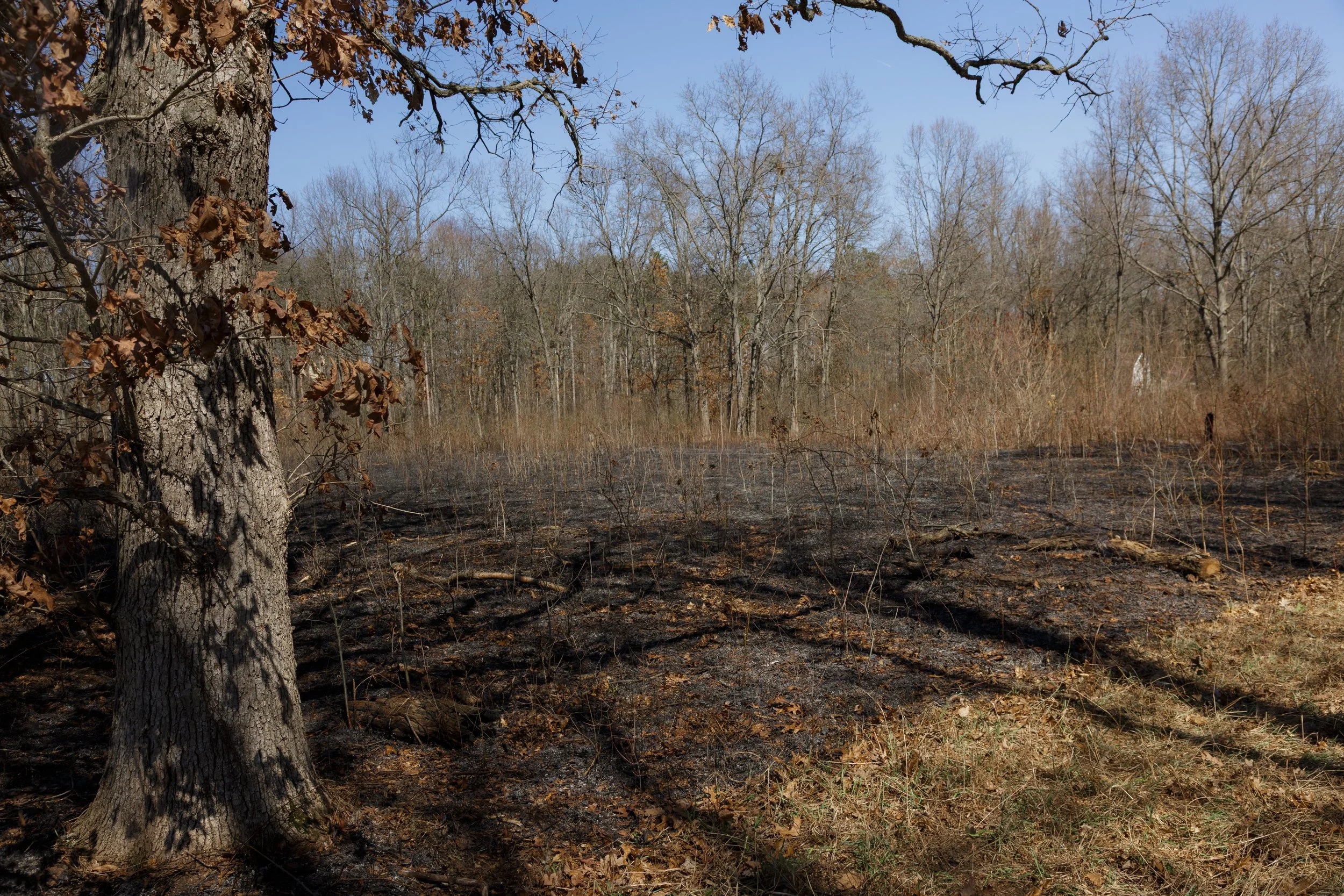
I arrived early so I could explore and take in the scene. I noticed how different this field was compared to what I’m used to seeing. It was mostly open with a few oak trees dotting the landscape. There also were hardly any shrubs present. A thick forest surrounded the entire savanna and appeared to close in on the open space, but something was holding it back.
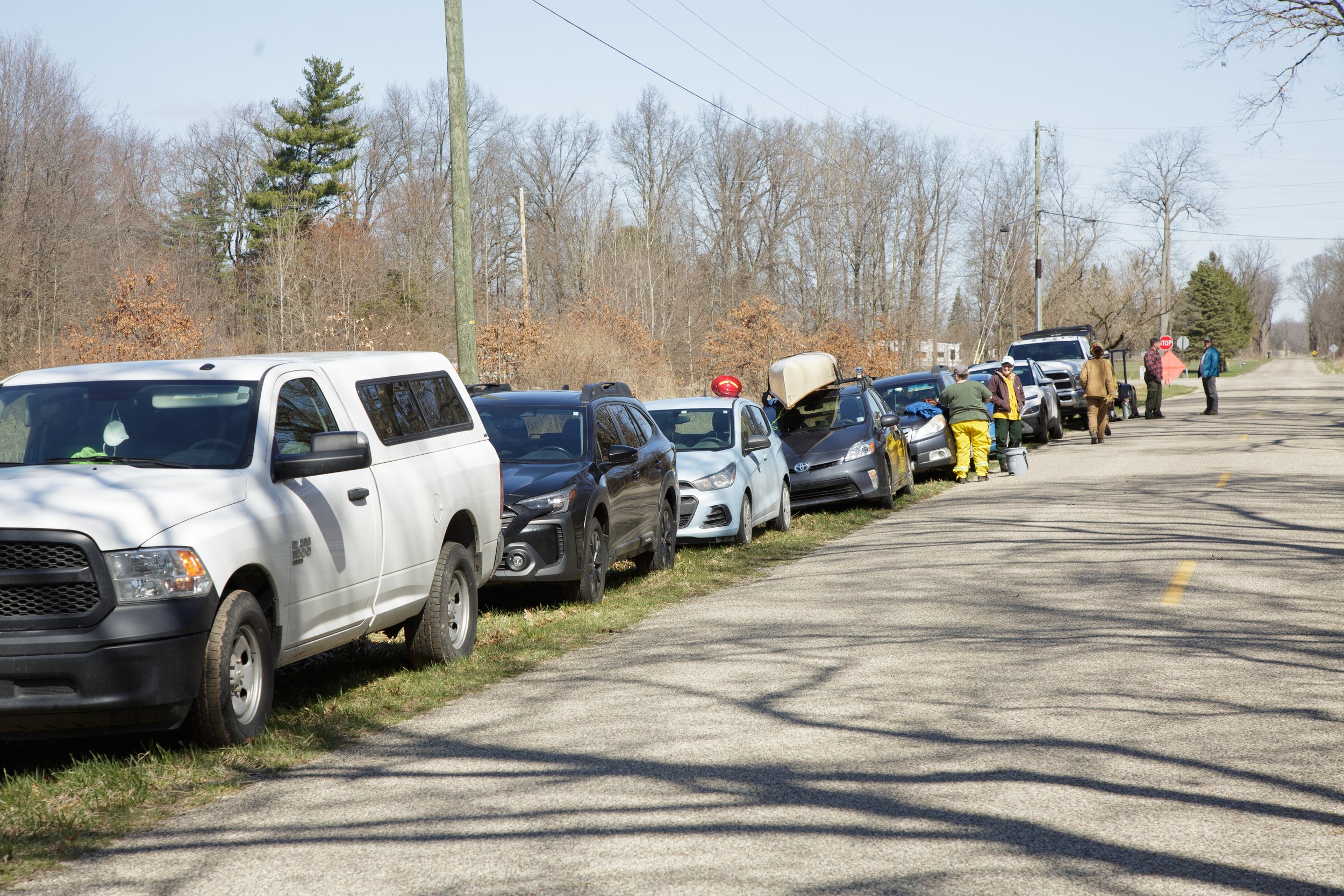
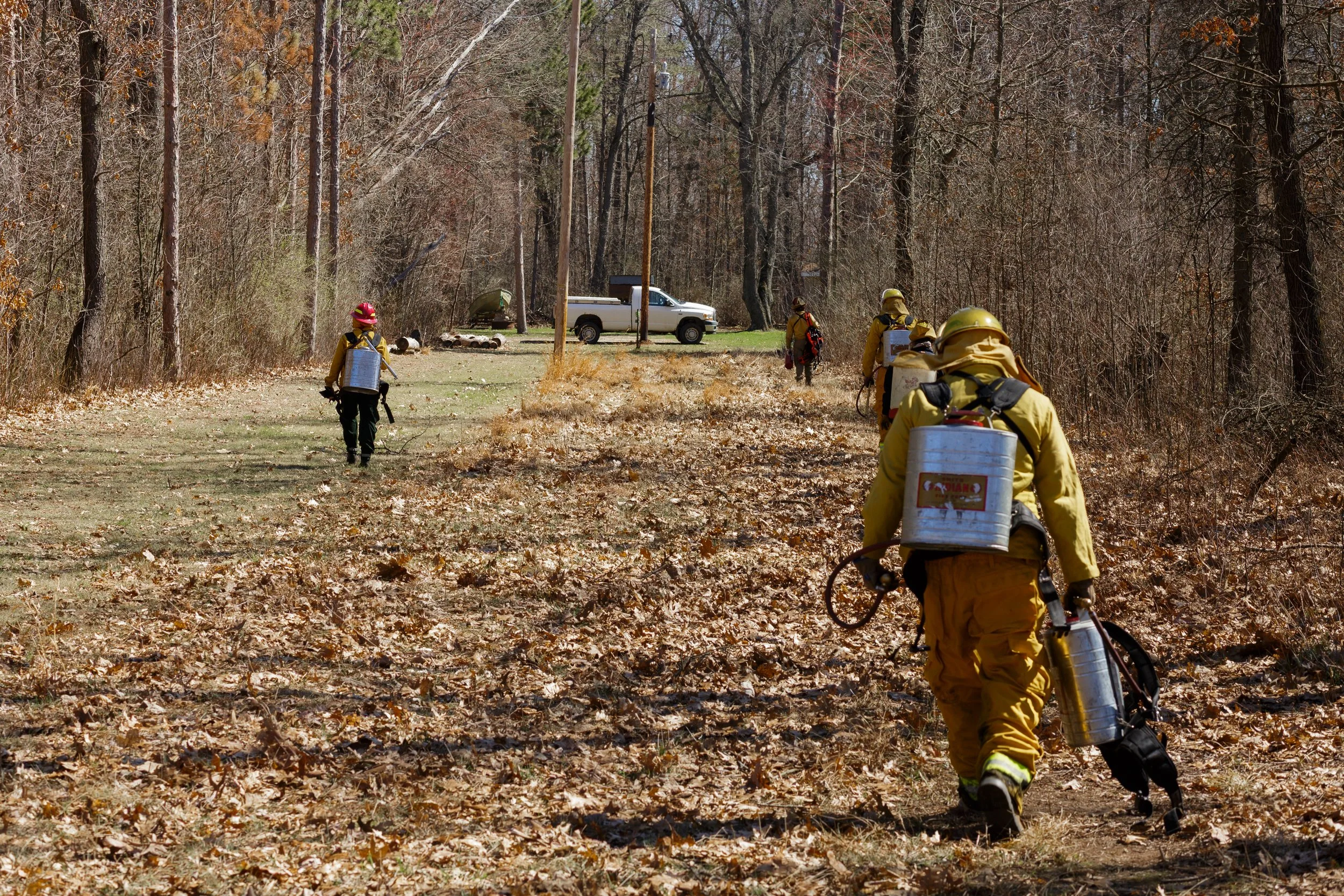
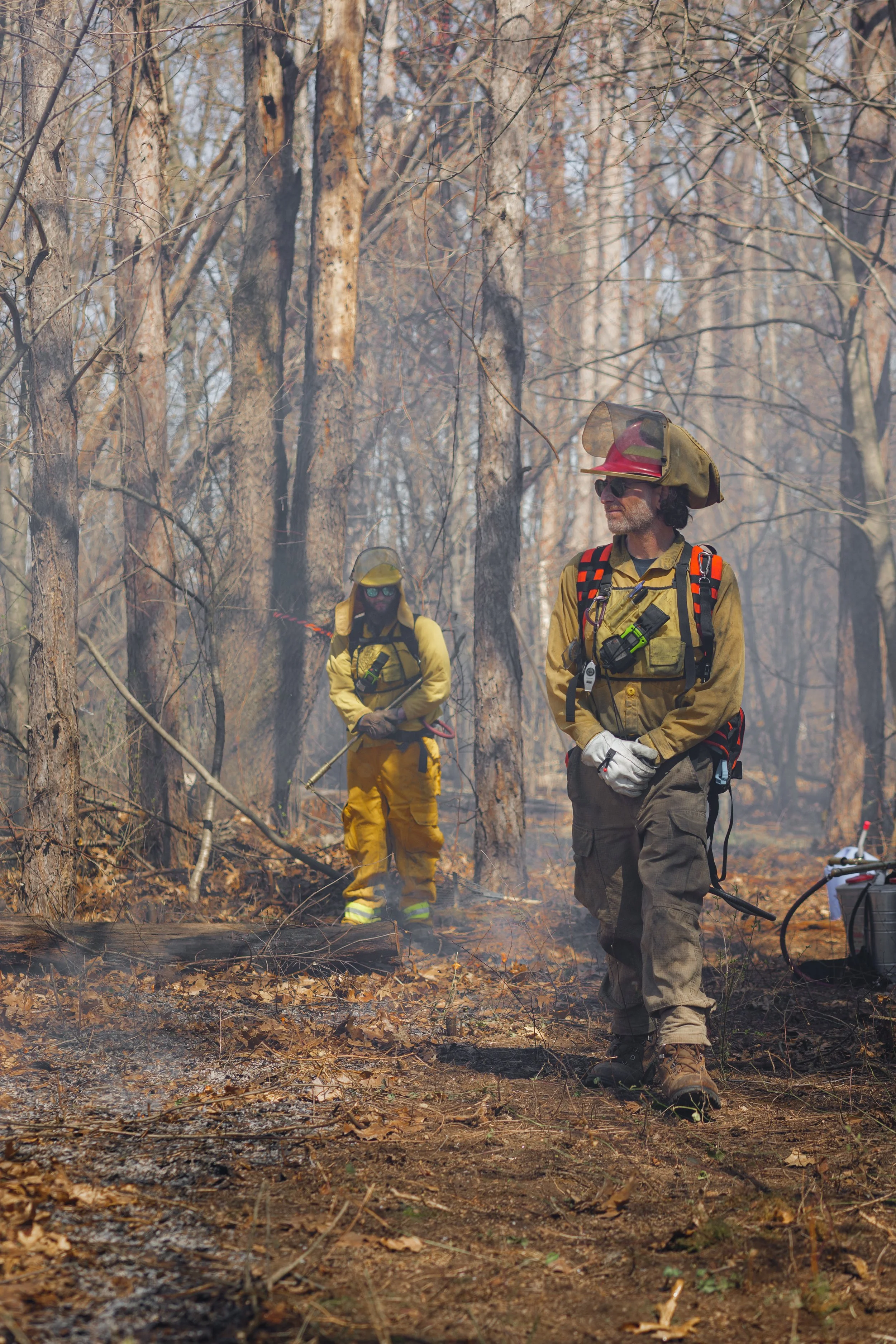
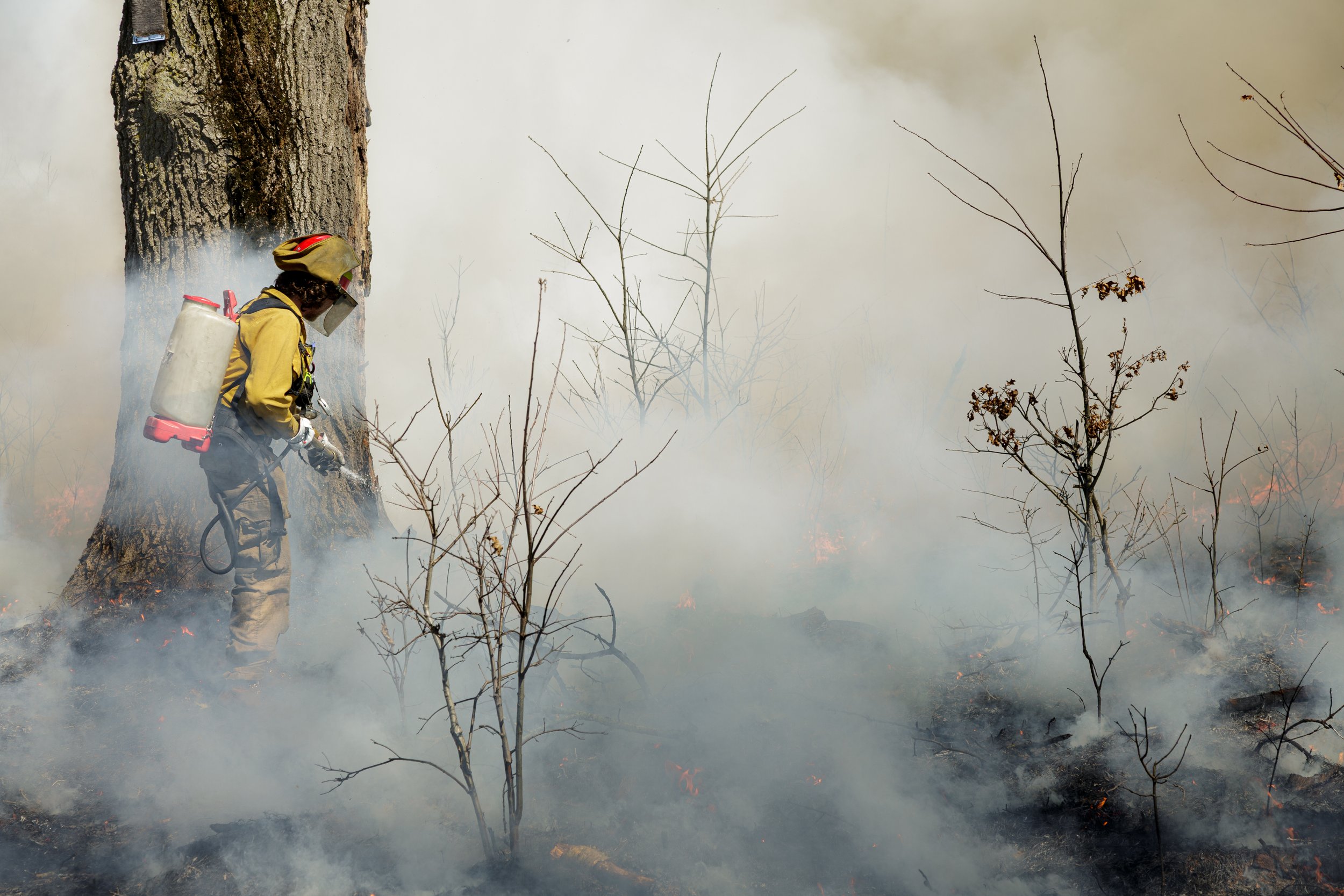
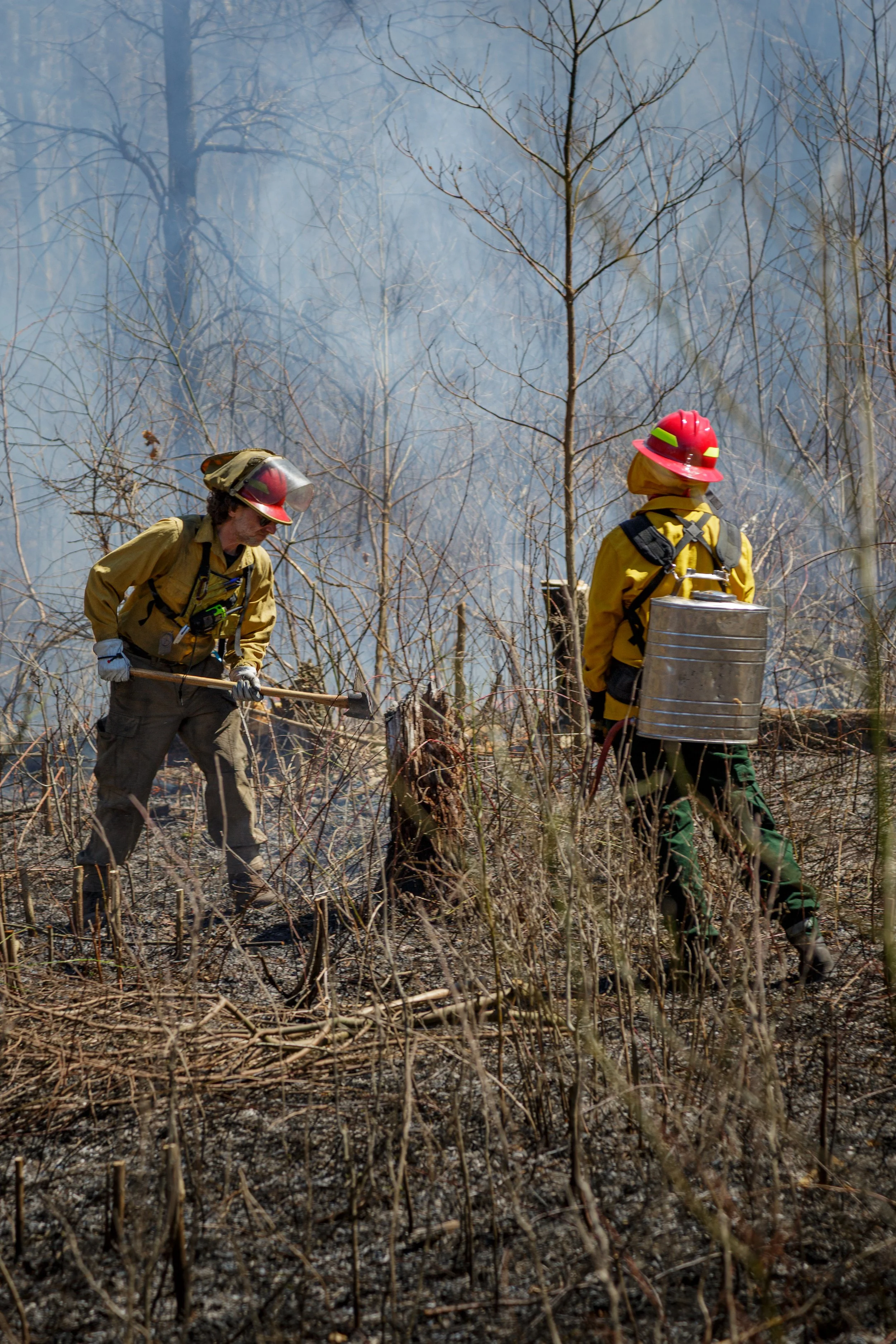
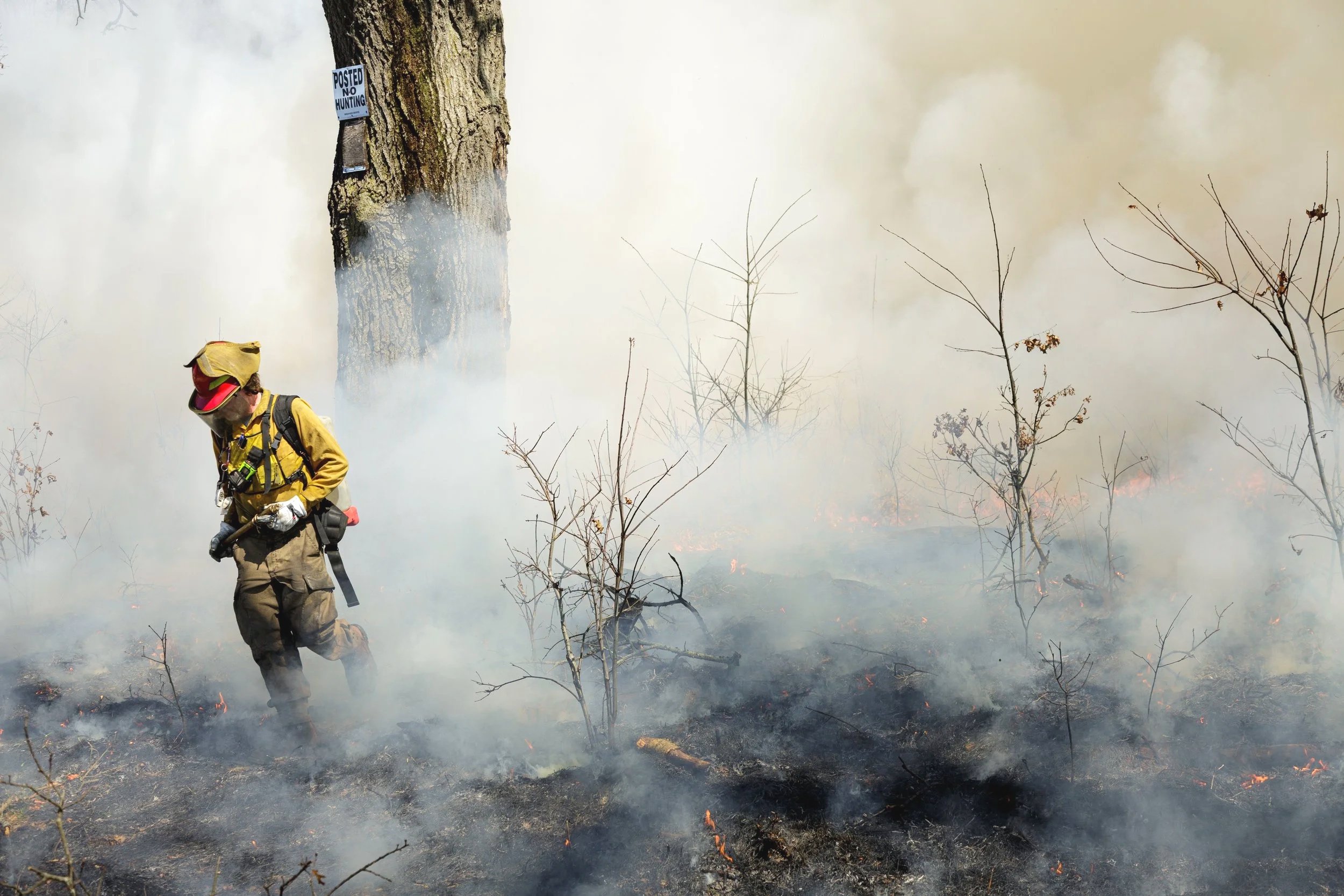
Once all the workers arrived on site, I could tell how excited everyone was to be a part of something so important. People began moving like a colony of ants, grabbing backpack sprayers, dressing in fire PPE, and unloading extra equipment. Before I knew it, we were gathered on the NW corner of the burn unit, moments away from lighting the fire. I listened to the burn boss present the plan to the group. After all questions were answered and everyone got assigned their tasks, it was time to start the fire.
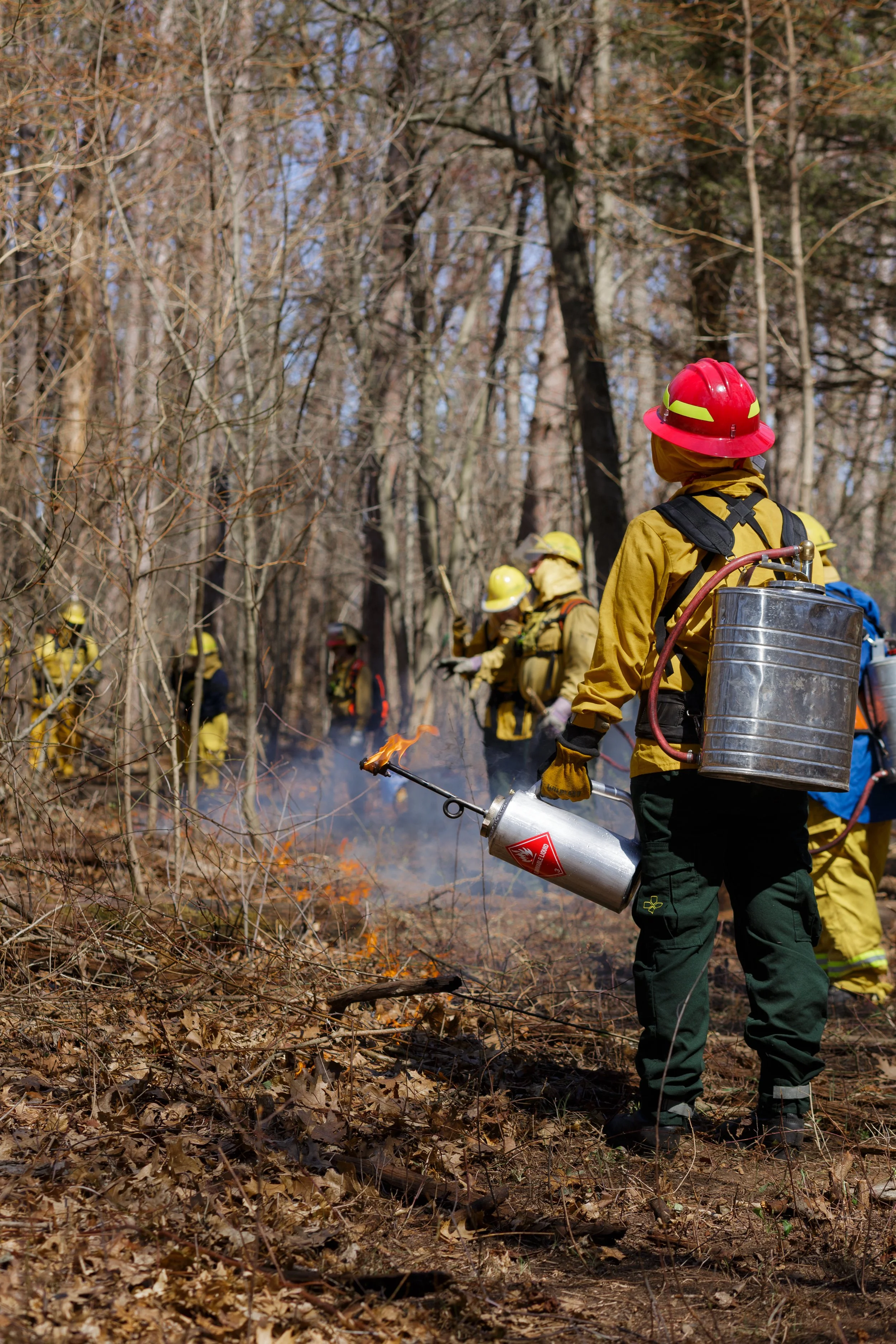
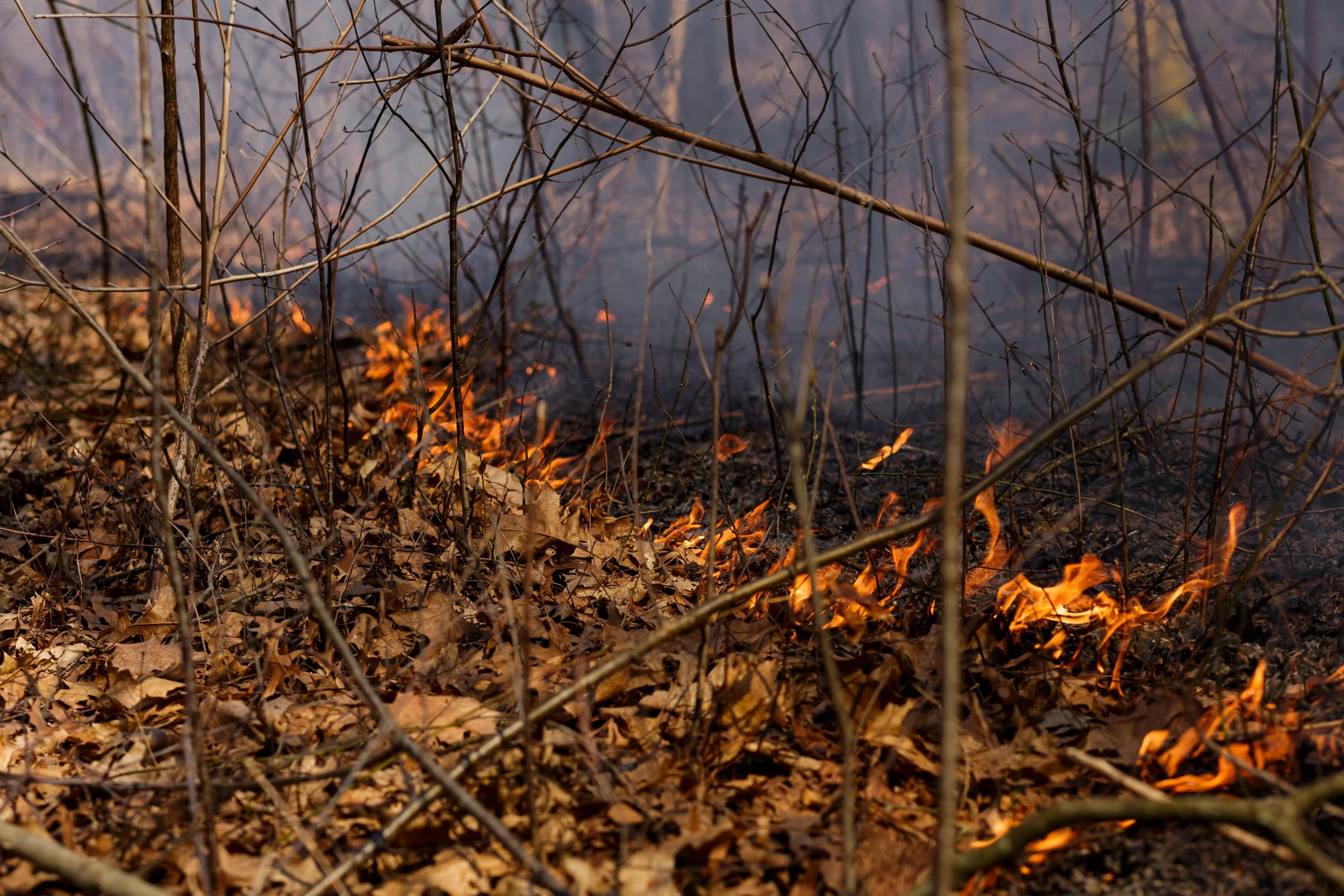
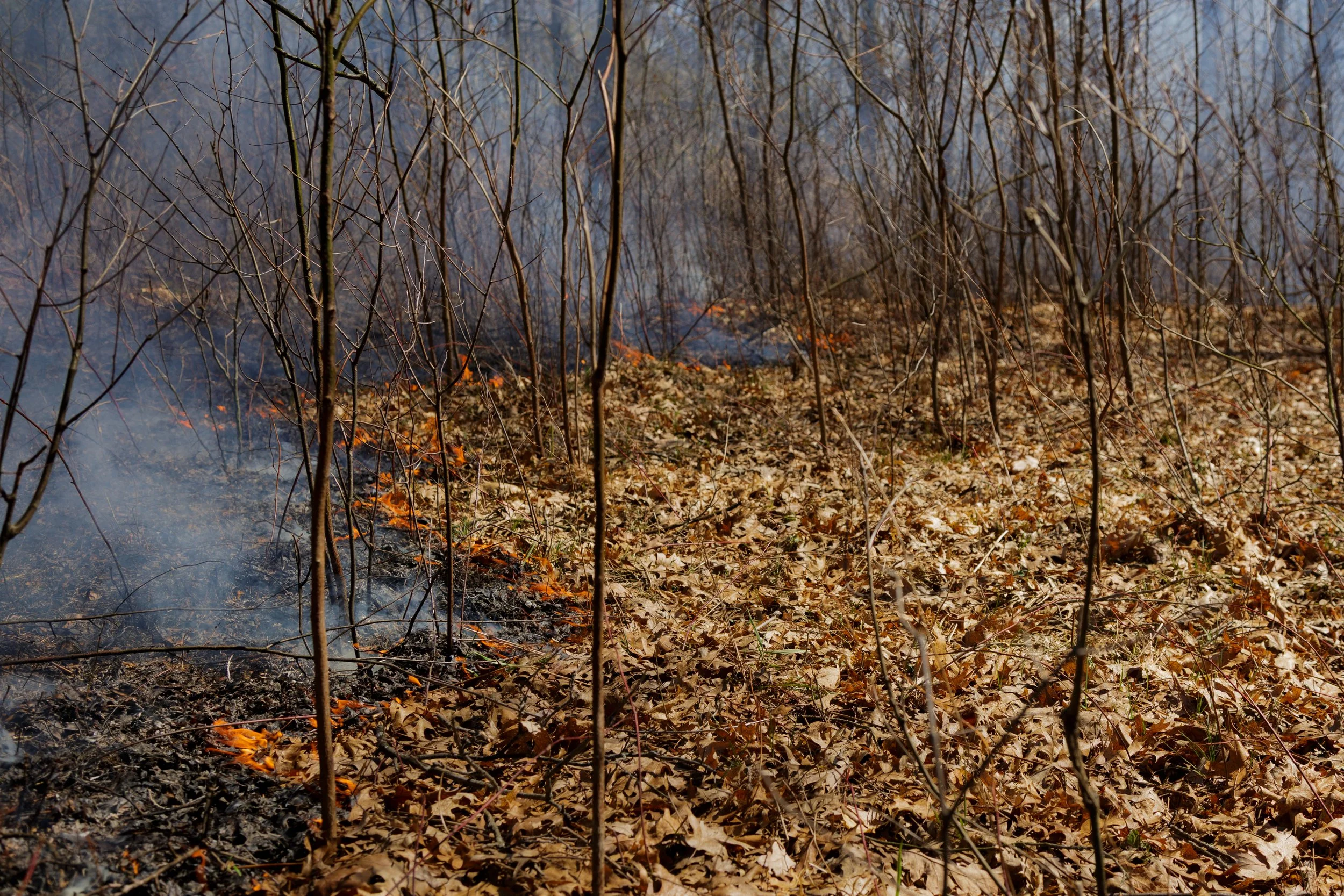
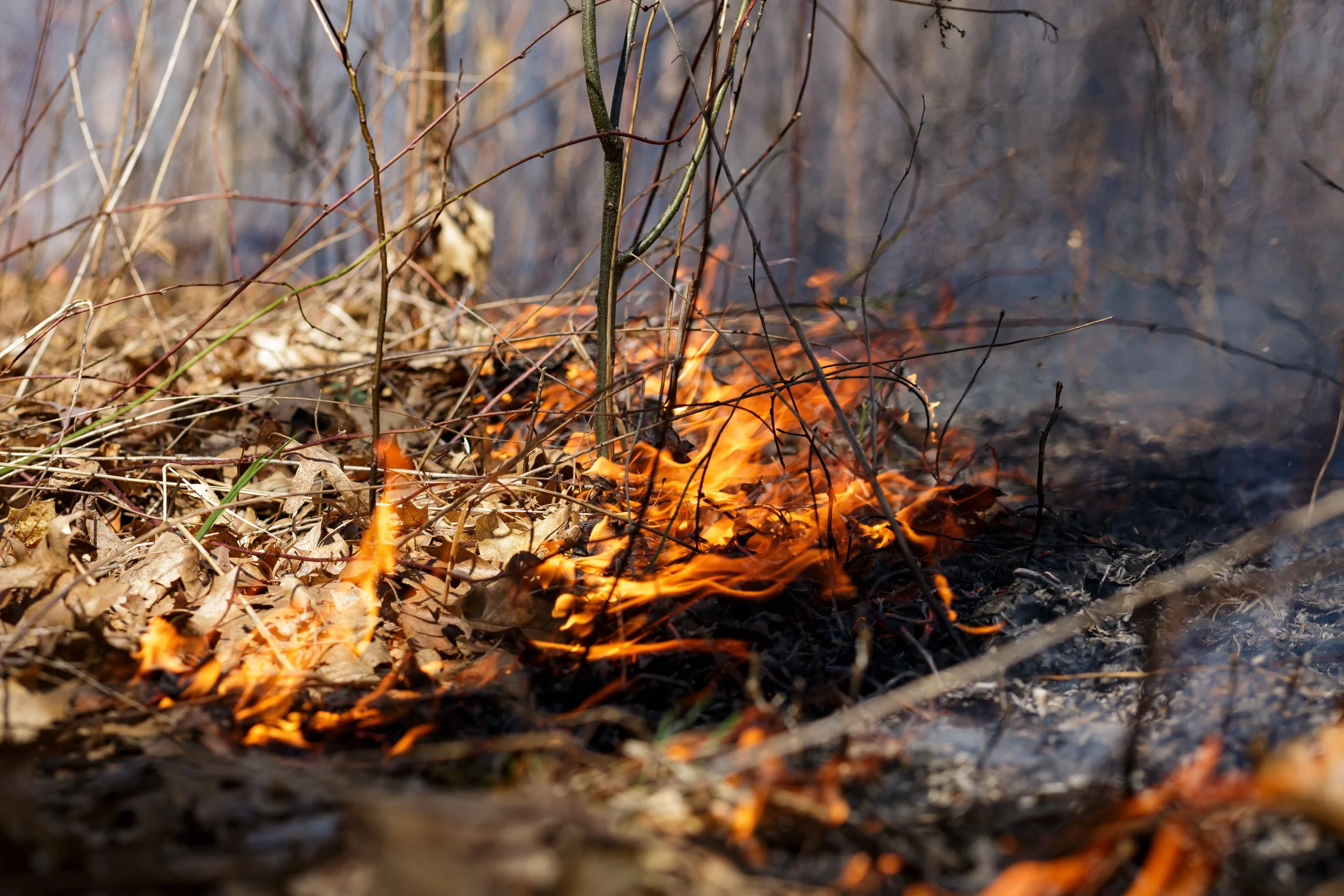
At first, the fire seemed reluctant to come to life. Like the very act of spreading would inevitably lead to its snuffing out. After some time and encouragement, it began to spread out among the savanna floor, turning the ground in its wake to ash. I frantically ran around with my camera. There were so many interesting compositions unfolding at once, and I didn’t know what to pay attention to. As the burned area expanded behind the fire, smoke began to fill the air. Through squinting teary eyes, I tried to capture the scene happening before me the best I could.
You might be asking yourself why fire is so important for this ecosystem.
These fire-dependent ecosystems evolved with fire. Naturally, fires can start from lightning strikes, but these were uncommon. Native Americans would deliberately start wildfires and did so for a variety of reasons. Fires would help with hunting by driving game. A fire would also reduce the amount of woody vegetation in the landscape, increasing visibility and protection from enemies. These fires were low intensity and eventually burned themselves out, releasing crucial nutrients back into the soil. Culturally significant plants like blueberry bushes thrived after a wildfire. This was another reason Native Americans intentionally set them.
According to Michigan State University Extension, Michigan was once covered in approximately 2,000,000 acres of savanna; currently, only 8,000 acres remain. That is a 99.6% loss of savannas in Michigan. This loss is directly linked to human activity through agriculture, fire suppression, and development. As Europeans settled into Michigan around the early 1800s, so did the radical decline of savannas occur. These savannas contained loamy soils and few trees, making them perfect for converting them into farmland. If they weren’t converted into farmland, they were often selected for towns.
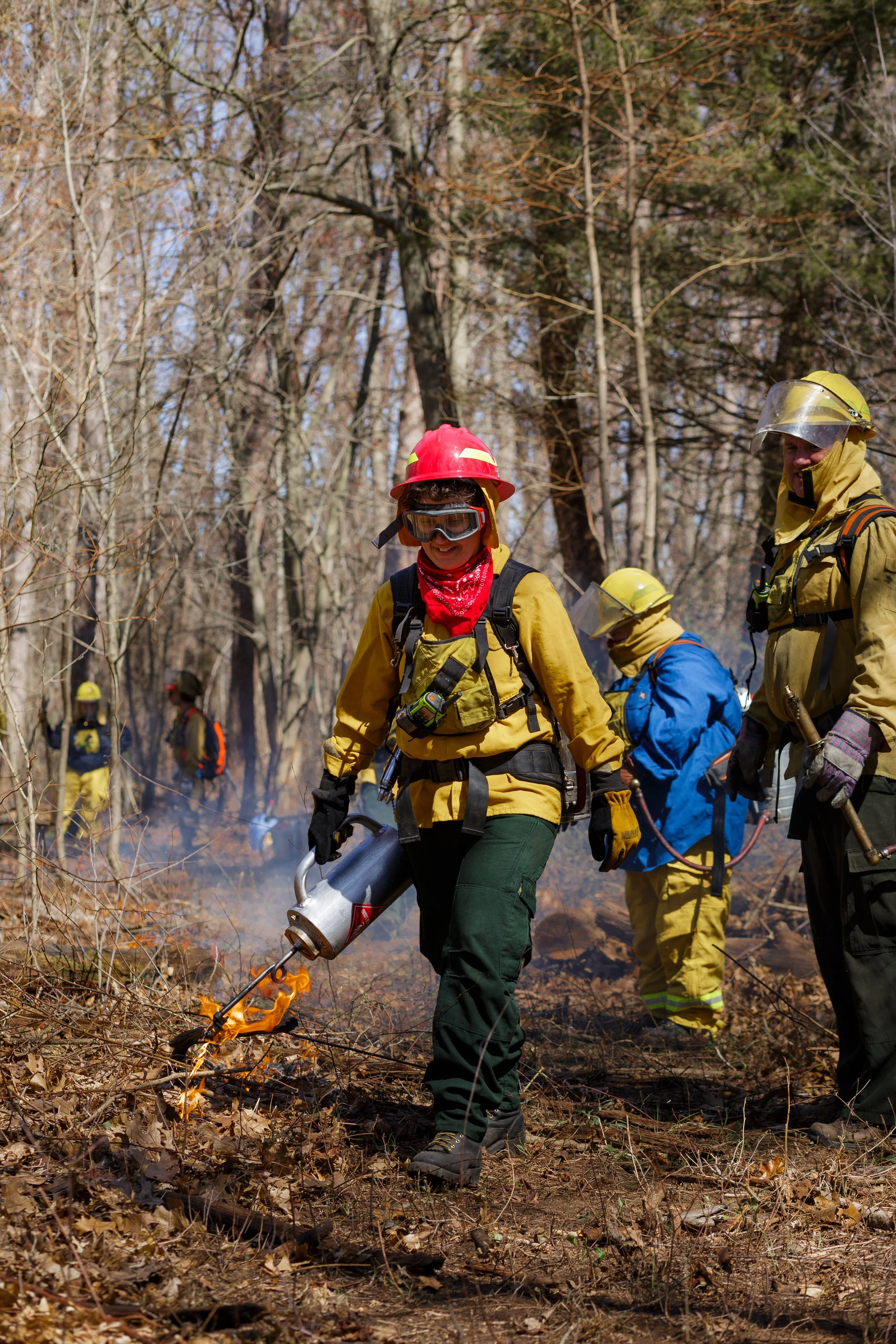
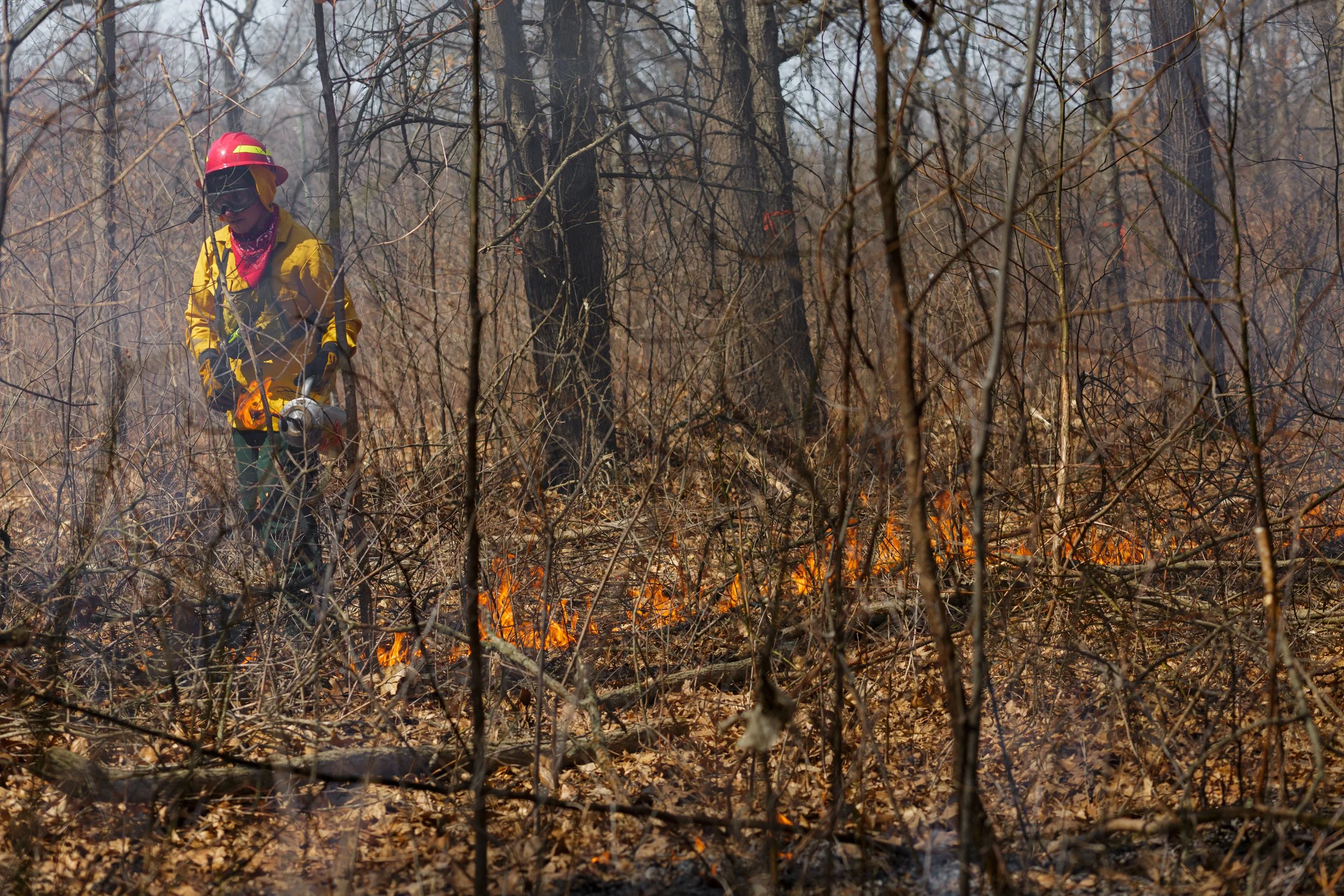
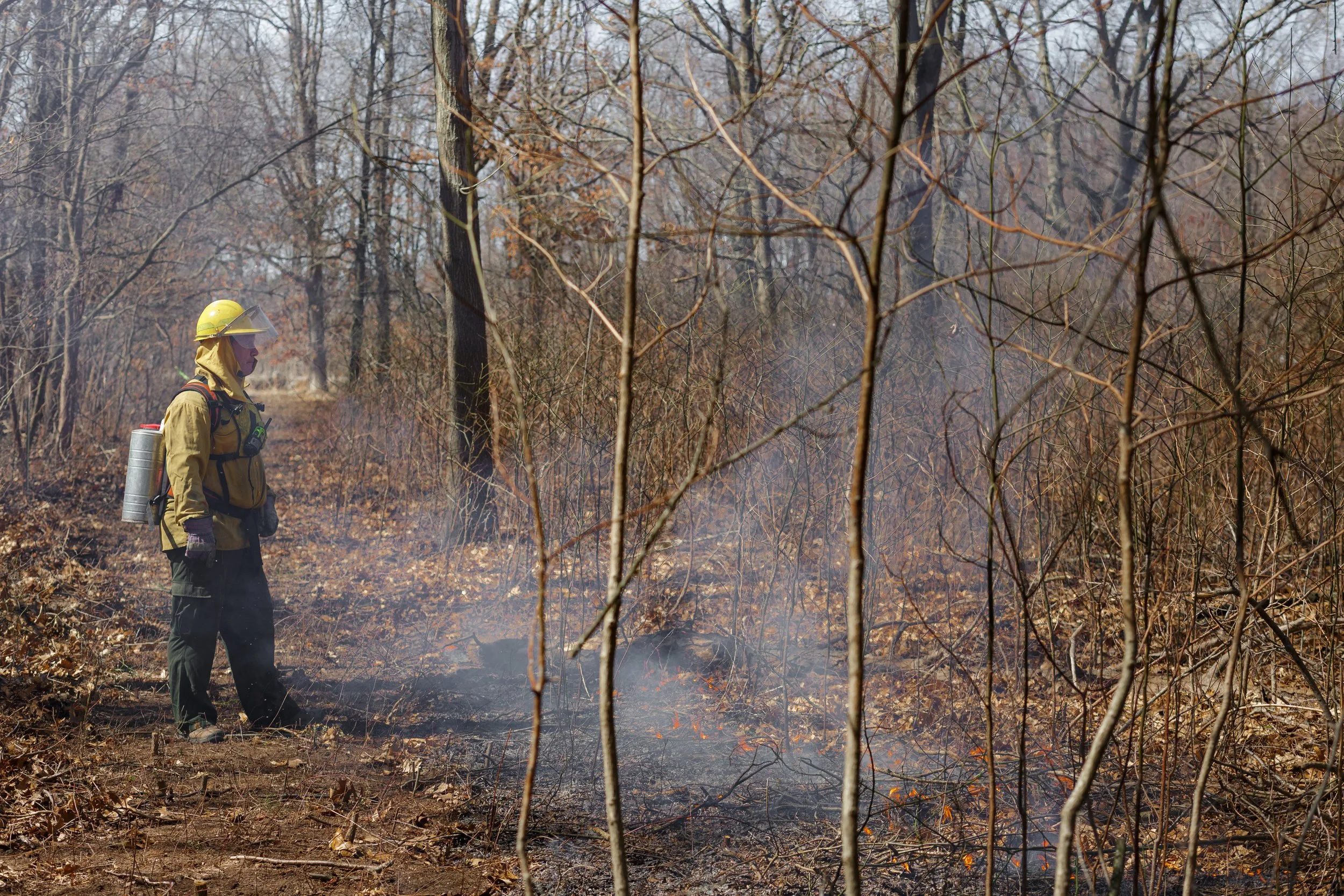
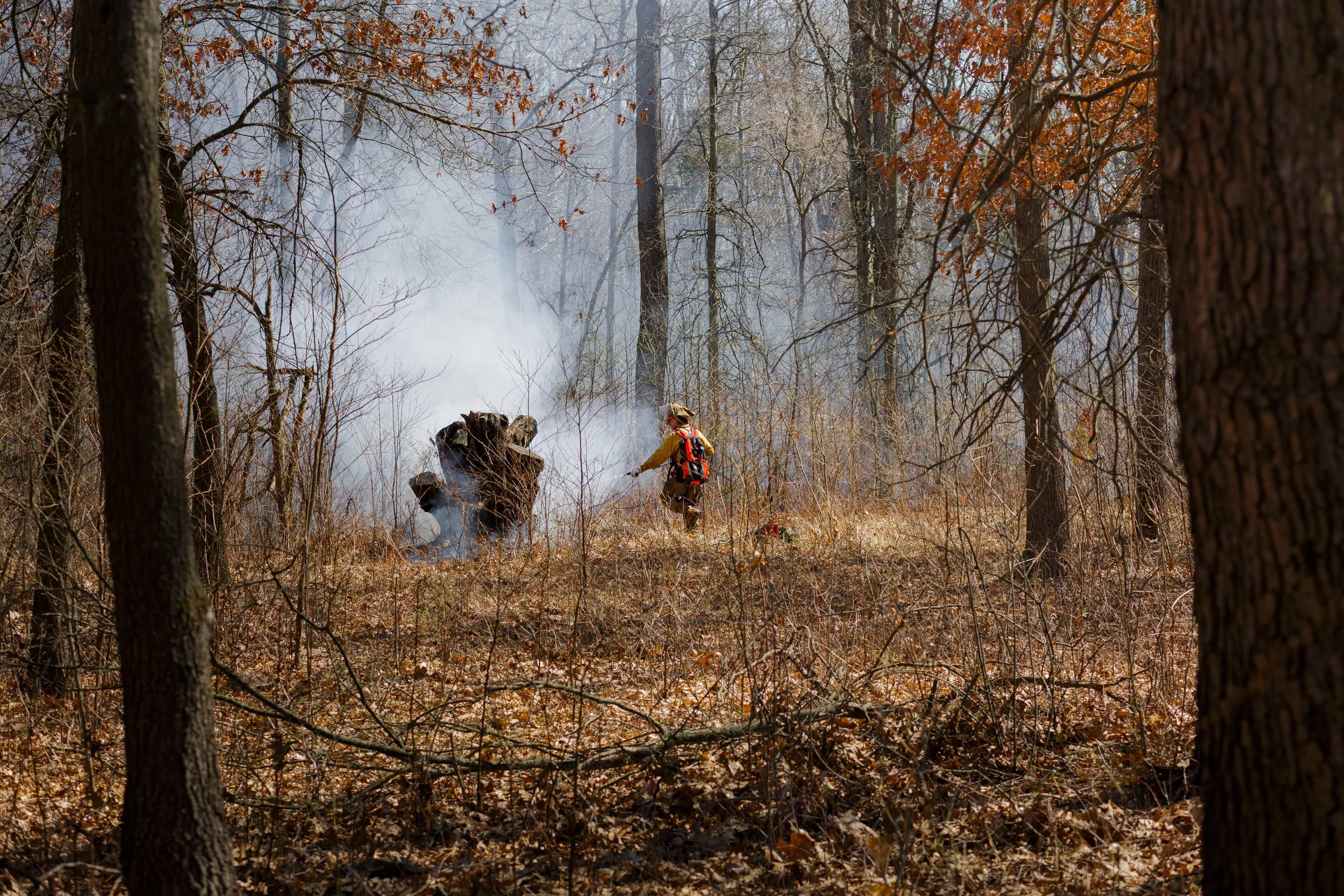
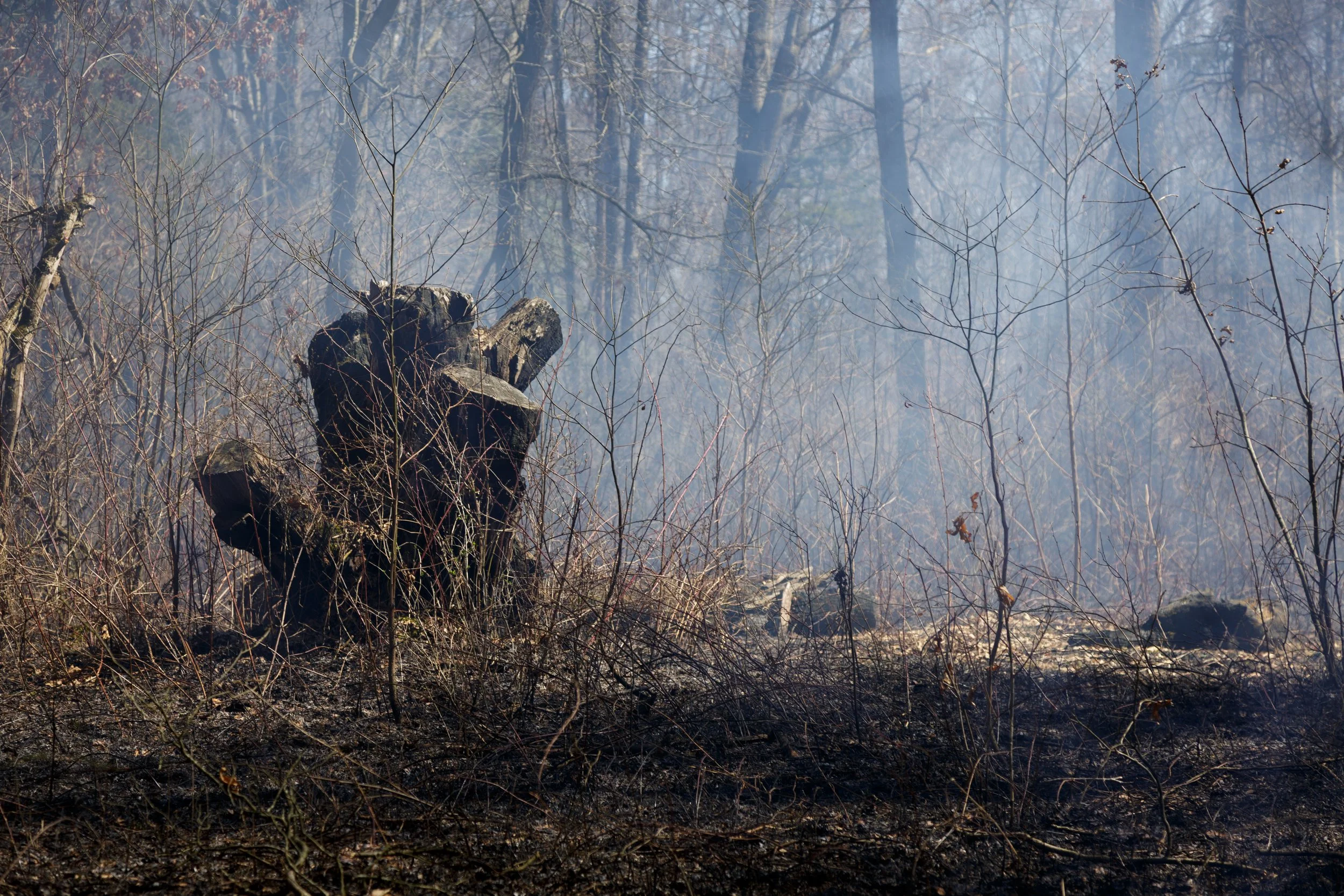
The fire continued to advance across the landscape, consuming everything in its path. It swelled from a meager trickle of flames dispersed across the savanna to one cohesive line of fire. It wound to and fro like a river cutting through a forest. I wandered along the line of fire and felt like the door to an oven was just opened. The fire crackled and spat almost as if it were telling me to back off and let it burn. I noticed the workers all concentrated on their assigned tasks buzzing around like bees on wildflowers. One marched back and forth behind the fire to ensure it didn’t jump. Another used a drip torch to continuously encourage the fire to spread. My thoughts were interrupted by a sudden hissing sound. A worker was spraying a stump with water, ensuring it didn’t catch fire.
Oak savanna’s support a large array of life. The well draining and loose soil creates ideal nesting grounds for the Eastern Box Turtle, a species that has been experiencing population decline through most of its range. The sparse amounts of trees and shrubs in the landscape also supports the Eastern Massasauga Rattlesnake. It needs the substantial amount of sun basking spots scattered throughout the savanna. A striking native perennial that has long blue-violet spikes filled with clusters of kidney shaped flowers prefers to grow in this ecosystem. This plant is called Wild Blue Lupine, and the Karner Blue Butterfly strictly feeds on it to survive. Its winged body is dominated with colors starting with blue bleeding into purple and a band of gold highlights the edges of its wings. If environments like this one ceased to exist, these complex and beautiful creatures would most likely follow.
The fire continued to advance across the savanna, consuming around half the burn unit. It drew in oxygen, pulling itself across the landscape and using air as its rope. The workers on both sides of the fire continued to aid its advance using drip torches, turning the shape of the fire into a large U. That large U eventually met with the road, which is where things got really interesting.
Using their drip torches, the workers on either side of the fire quickly worked towards each other along the road. Once they met in the middle, they effectively closed the fire off. After this was done, things happened very quickly. That U shape turned into one large circle and was the final stage in this fire's life. It drew in oxygen from the center of the circle and pulled itself into itself. It burned with a fury as if that one final effort would delay the inevitable. It burned up all remaining fuel and collapsed in on itself. Its final breaths of life slowly faded away and just like the counter-clockwise turn of a stove burner, it went out.
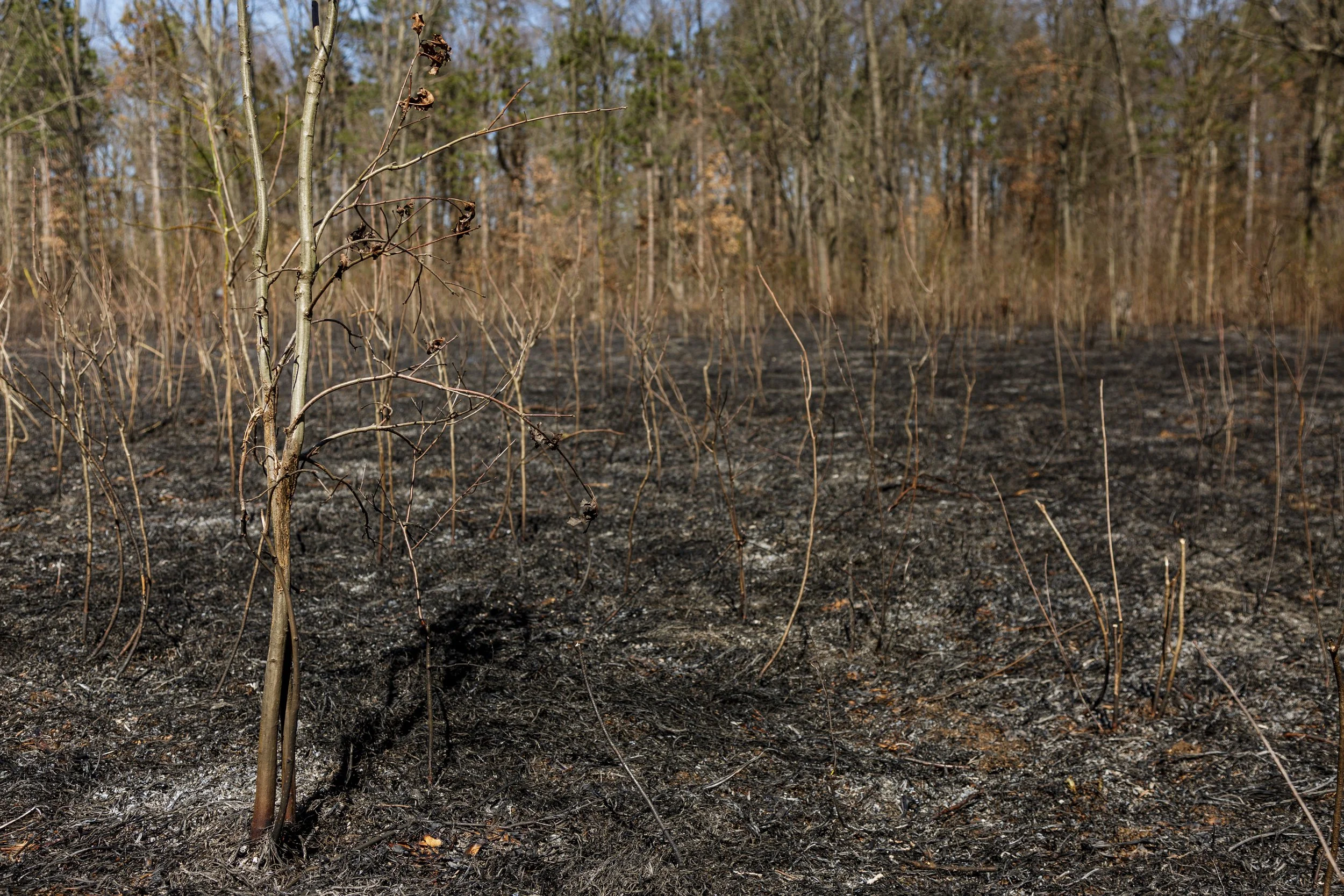
I walked around that blackened field, taking note of the eerie quietness. It reminded me of a calm winter morning after a howling blizzard. Every step I took crunched the ashy ground beneath my feet, releasing small plumes of smoke. The familiar smell of a freshly burned out bonfire filled my nose. It’s hard to believe that so much destruction leads to so much life. Any small shrub, grass or tree that considered making that place its new home was relieved of that thought with fire. All the blackened ground around me will quickly be absorbed into the soil. The native grasses and wildflowers still in dormancy will spring to life and within a couple of months, the savanna will look like it was never burned. This savanna will continue to thrive the way that it has for thousands of years, that is, if we continue to manage and protect it.
Humans are so interwoven into nature that it is absolutely necessary for us to manage it. In fact, we are a part of nature itself and we came from it. Reaching out to organizations like the Michigan Nature Association to get involved volunteering is one of the best ways to learn and grow in your knowledge about our beautifully complex and awe inspiring world.